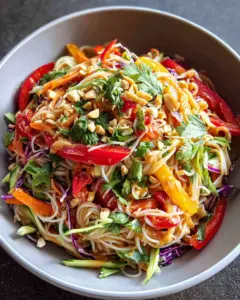
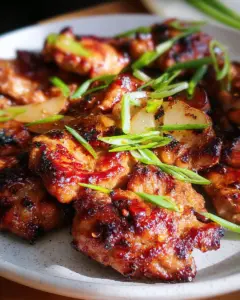
The Korean Ground Beef Bowl is a delicious fusion of sweet, savory, and spicy flavors, all packed into a single, satisfying dish. With its tender ground beef simmered in a rich hoisin-soy sauce and paired with fluffy jasmine rice, this recipe is perfect for busy weeknights when you crave something hearty yet easy to prepare. What makes it stand out is its versatility—whether you prefer extra heat from sriracha, a crunch from fresh bell peppers, or a garnish of scallions and sesame seeds, this dish adapts effortlessly to your taste.

Preparation Phase & Essential Tools
Before diving into cooking, gather the right tools to ensure smooth preparation:
- Large Skillet
A large, heavy-bottomed skillet distributes heat evenly, preventing the beef from burning while allowing the sauce to thicken properly. Non-stick or cast iron works best. - Wooden Spoon or Spatula
Ideal for breaking apart the ground beef without scratching your cookware. - Measuring Spoons and Cups
Precision matters with sauces—too much soy sauce can overpower, while too little brown sugar may leave the dish lacking balance. - Rice Cooker or Saucepan
Jasmine rice is the ideal base for this bowl, and a rice cooker guarantees perfect texture. If using a pot, a tight-fitting lid is crucial for steaming. - Grater and Knife
Freshly grated ginger and minced garlic are key for depth of flavor. A microplane grater makes quick work of ginger, while a sharp knife ensures even garlic pieces.
Why These Ingredients Matter
The magic of this dish lies in its simple but impactful ingredients:
- Jasmine Rice
Its slightly sticky texture and floral aroma complement the bold beef sauce better than plain white rice. - Lean Ground Beef (90/10)
A higher meat-to-fat ratio prevents greasiness while keeping the beef tender. For a lighter version, ground turkey or chicken works too. - Hoisin Sauce
This sweet, umami-rich sauce is the backbone of the dish. Look for brands without artificial additives for the best flavor. - Fresh Ginger and Garlic
While powdered versions can substitute in a pinch, fresh aromatics deliver a brighter, more authentic taste. - Sriracha
Adjustable heat lets you control the spice level. For a milder dish, reduce or omit it; for extra kick, add a drizzle at serving time.
Step-by-Step Cooking Instructions
- Cook the Rice
Rinse 1 cup jasmine rice under cold water until the water runs clear to remove excess starch. Cook according to package instructions (usually a 1:1.5 rice-to-water ratio). Fluff with a fork and set aside. - Brown the Beef
Heat the skillet over medium-high heat. Add 1 lb ground beef, breaking it into small crumbles with a wooden spoon. Cook for 8–10 minutes until no pink remains. Drain excess fat if needed, but leave a bit for flavor. - Prepare the Sauce
Reduce the heat to low. Stir in 1 tbsp brown sugar, 3 tbsp hoisin sauce, 2 tbsp soy sauce, 1 tsp sriracha, 1 tsp grated ginger, and 3 minced garlic cloves. Mix until the beef is fully coated. - Add Vegetables
Toss in 1 chopped red bell pepper and cook for 2–3 minutes until slightly softened but still crisp. Overcooking will make them mushy. - Serve
Divide the rice among bowls, top with the beef mixture, and garnish with sliced scallions and sesame seeds for freshness and crunch.
Tips for Success
- Freeze Ginger for Easy Grating
Keep a knob of ginger in the freezer—it grates more easily and stays fresh for months. - Customize the Heat
Serve with extra sriracha or gochujang on the side for those who prefer more spice. - Meal Prep Friendly
Double the sauce and store it separately to prevent the rice from becoming soggy when reheating.
Once you’ve mastered the basics of this 30-minute Korean ground beef bowl, the next step is learning how to serve it like a pro. From ideal pairings to avoiding common pitfalls, these tips will elevate your dish from good to exceptional.
Optimal Serving Suggestions
The beauty of this dish lies in its versatility. Here are three foolproof ways to serve it:
- Classic Rice Bowl
Serve the sweet and spicy beef over a generous bed of fluffy jasmine rice. The rice absorbs the rich sauce while providing a neutral base that lets the flavors shine. For visual appeal, sprinkle with toasted sesame seeds and thinly sliced scallions. - Lettuce Wraps (Low-Carb Option)
Swap the rice for crisp butter lettuce or romaine leaves to create refreshing wraps. The cool, crunchy lettuce contrasts beautifully with the warm, savory beef filling. Add a drizzle of extra hoisin sauce for added depth. - Grain Bowl Variation
For extra nutrition, use brown rice, quinoa, or cauliflower rice as the base. Top with the beef mixture and add quick-pickled vegetables (carrots, cucumbers) for brightness.
8 Common Mistakes & How to Avoid Them
Even simple dishes can go wrong. Here’s how to sidestep frequent errors:
- Overcooking the Beef
Ground beef becomes tough when cooked too long. Remove it from heat as soon as no pink remains—8–10 minutes is usually sufficient. - Skipping the Fat Drain
Excess grease from the beef can make the sauce overly heavy. Drain most of it, but leave 1–2 teaspoons for flavor. - Using Bottled Minced Garlic/Ginger
Fresh aromatics provide a brighter taste. Grate ginger and mince garlic just before cooking for maximum potency. - Overcrowding the Skillet
Cook the beef in batches if doubling the recipe. Crowding leads to steaming instead of browning. - Neglecting the Rice
Underseasoned or mushy rice ruins the bowl. Rinse jasmine rice thoroughly and use a 1:1.5 rice-to-water ratio for perfect texture. - Over-Saucing
Too much liquid drowns the dish. The sauce should coat the beef lightly—not pool at the bottom. - Forgetting to Taste as You Go
Adjust sriracha, soy sauce, or brown sugar incrementally to balance sweet, salty, and spicy notes. - Skipping the Garnish
Scallions and sesame seeds add freshness and texture. Without them, the dish can taste one-dimensional.
8 Side Dishes to Complete the Meal
Pair your beef bowl with these complementary sides:
- Kimchi
The fermented tang and spice of traditional kimchi cuts through the richness of the beef. - Quick Cucumber Salad
Toss sliced cucumbers with rice vinegar, a pinch of sugar, and red pepper flakes for a cooling contrast. - Steamed Bok Choy
Lightly seasoned with garlic and sesame oil, this leafy green adds a healthy, crisp element. - Miso Soup
A small bowl of miso broth with tofu and seaweed balances the meal with umami warmth. - Stir-Fried Mushrooms
Sauté shiitake or button mushrooms with soy sauce and a dash of mirin for earthy depth. - Pickled Radishes
Their vinegary crunch offsets the beef’s sweetness. Use daikon or red radishes. - Edamame
Lightly salted steamed edamame pods offer a protein-rich, fun-to-eat side. - Seaweed Salad
Store-bought or homemade, its briny, sesame-dressed flavor enhances the Korean-inspired theme.
Pro Tip: The Fried Egg Upgrade
For a luxe touch, top your bowl with a sunny-side-up egg. The runny yolk blends with the sauce, adding creaminess.
The final step in mastering this dish involves learning how to store leftovers properly, tweak flavors to perfection, and answer common preparation questions. These insights will help you enjoy this meal beyond the initial cooking session while maintaining its signature taste and texture.
Advanced Recipe Tips for Superior Results
Take your beef bowl from good to exceptional with these professional techniques:
- Sauce Consistency Control
If your sauce appears too thin after combining ingredients, simmer the mixture for an additional 2-3 minutes to reduce. For thicker coating, mix 1 teaspoon cornstarch with 1 tablespoon water and stir into the beef during the final minute of cooking. - Layering Flavors
Bloom the aromatics by sautéing the minced garlic and grated ginger in 1 teaspoon sesame oil for 30 seconds before adding the sauce ingredients. This technique releases essential oils and intensifies the flavor base. - Texture Variation
For contrasting textures, reserve half the chopped bell peppers and add them raw as garnish. The fresh crunch provides pleasant contrast to the softened cooked vegetables. - Alternative Protein Options
While ground beef delivers classic richness, try these variations:- Ground pork for fattier, more succulent results
- Plant-based crumbles for vegetarian adaptation
- Chopped mushrooms (shiitake or cremini) for umami-packed meatless version
Proper Storage and Reheating Methods
Preserve quality and food safety with these guidelines:
Refrigeration
- Store components separately in airtight containers for up to 3 days
- Place rice in one container, beef mixture in another
- Cool to room temperature before refrigerating (within 2 hours of cooking)
Freezing
- Freeze the cooked beef (without rice) for up to 1 month
- Use freezer-safe bags, removing excess air
- Sauce may separate slightly upon thawing – simply stir well when reheating
Reheating Best Practices
- Microwave Method:
Sprinkle 1 tablespoon water over rice, cover with damp paper towel, and heat in 30-second intervals - Stovetop Revival:
Reheat beef mixture in skillet over medium-low with 1 teaspoon water or broth to prevent drying - Avoid:
Repeated reheating cycles which degrade texture and flavor
Frequently Asked Questions
Addressing the most common queries from home cooks:
Can I prepare this dish ahead for meal prep?
Yes, this recipe excels for meal preparation. Keep rice and beef in separate containers, combining only when ready to eat. Add fresh garnishes after reheating.
What can substitute for hoisin sauce?
Combine 2 tablespoons soy sauce, 1 tablespoon molasses, 1 teaspoon rice vinegar, and 1/8 teaspoon five-spice powder as a quick alternative.
How can I make this gluten-free?
Use tamari instead of soy sauce and verify your hoisin sauce is gluten-free (many brands contain wheat).
Why does my beef taste dry?
This typically occurs from:
- Using ultra-lean beef (below 90% lean)
- Overcooking the meat
- Not including enough sauce
Can I use frozen vegetables?
While possible, frozen bell peppers release more water during cooking. Pat them dry before adding or increase simmer time by 1-2 minutes to evaporate excess moisture.
Final Serving Recommendations
For restaurant-quality presentation:
- Pack rice firmly into a small bowl, then invert onto serving plate
- Spoon beef mixture around the rice dome
- Arrange garnishes in deliberate clusters rather than sprinkling
- Serve with small ramekins of extra sauce and kimchi on the side
Nutritional Considerations
While this dish is well-balanced, consider these adjustments for specific dietary needs:
- Lower carb: Substitute cauliflower rice and reduce brown sugar by half
- Higher protein: Add an extra 2oz beef per serving or top with fried egg
- Reduced sodium: Use low-sodium soy sauce and limit added garnishes
Conclusion
This Korean Ground Beef Bowl proves that spectacular flavors don’t require complicated techniques or hard-to-find ingredients. With its perfect balance of sweet hoisin, savory beef, and spicy accents, it delivers satisfaction in every bite. The make-ahead flexibility and adaptable nature make it ideal for both busy weeknights and casual entertaining.
Remember that great cooking lies in the details – proper storage, careful reheating, and thoughtful presentation transform this from simple supper to memorable meal. Keep experimenting with different protein options, vegetable additions, and spice levels to make the recipe your own.
For those who enjoyed this dish, consider exploring other Korean-inspired recipes like bibimbap or bulgogi to expand your culinary repertoire. The techniques you’ve mastered here – balancing bold sauces, controlling textures, and efficient meal prep – will serve you well across many Asian-inspired dishes.

Korean Ground Beef Bowl
Ingredients
- 1 cup uncooked jasmine rice
- 1 pound lean ground beef
- 1 tablespoon packed brown sugar
- 3 tablespoons hoisin sauce
- 2 tablespoons soy sauce
- 1 teaspoon sriracha sauce adjust to taste
- 1 teaspoon grated fresh ginger
- 3 cloves garlic minced
- 1 red bell pepper chopped
- Optional garnish: sliced scallions sesame seeds
Instructions
- Cook the rice: Prepare the jasmine rice according to package directions. Set aside and keep warm.
- Brown the beef: In a large skillet over medium-high heat, cook the ground beef, breaking it apart as it cooks, until no longer pink—about 8–10 minutes. Drain excess fat if needed.
- Make the sauce: Remove the skillet from heat and stir in the brown sugar, hoisin sauce, soy sauce, sriracha, grated ginger, and garlic. Mix well until the beef is evenly coated.
- Add the peppers: Return the skillet to medium heat, add the chopped bell pepper, and cook for 2–3 minutes, stirring frequently, until tender-crisp.
- Serve: Spoon the beef mixture over the cooked jasmine rice. Garnish with scallions and sesame seeds if desired.
- Notes
- Store fresh ginger in the freezer to make grating easier and prolong shelf life.
- Adjust the sriracha to control the heat level to your preference.
- Great with steamed greens, kimchi, or a fried egg on top for added flavor and nutrition.